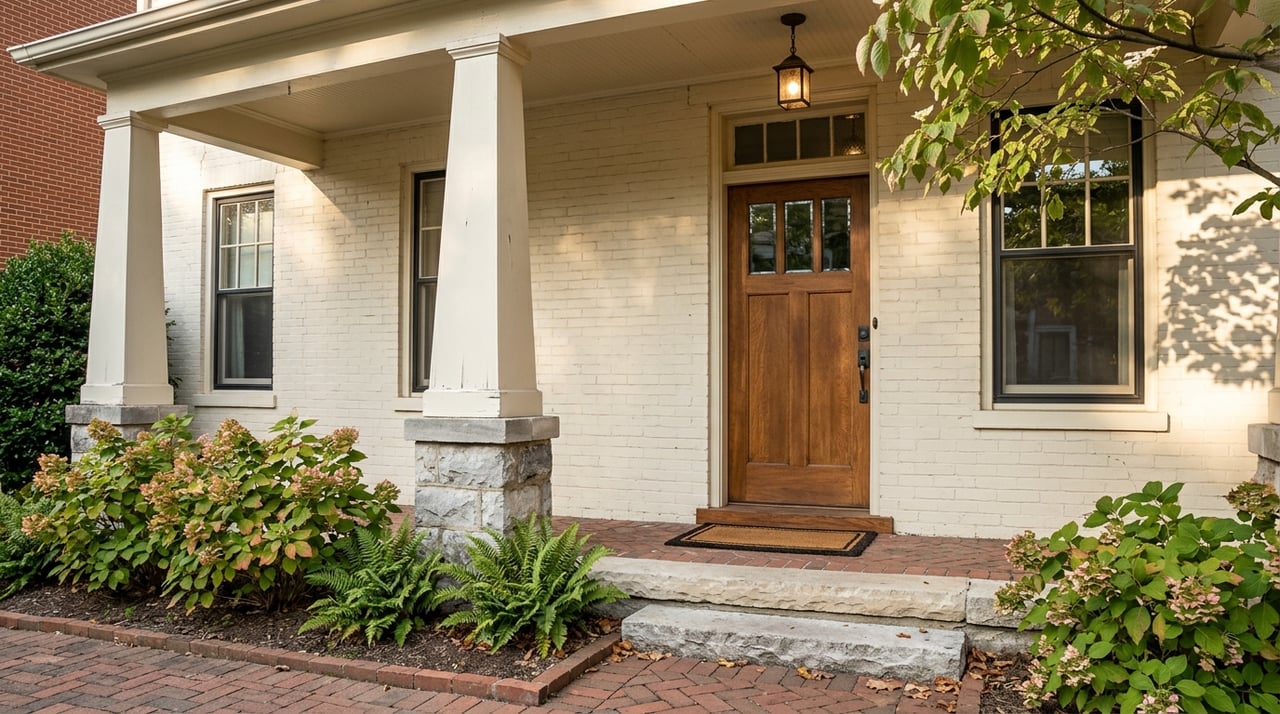
Historic Or New? Home Options In North Knoxville
May 28, 2026
May 28, 2026
Wondering whether a historic home or a newer build makes more sense in North Knoxville? You are not alone. This part of Knoxville offers a rare mix of century-old character, compatible infill, and updated homes that can appeal to very different buyer priorities. If you are weighing charm against convenience, this guide will help you understand the tradeoffs so you can shop with more confidence. Let’s dive in.
North Knoxville includes some of Knoxville’s most recognizable historic housing areas, including Old North Knoxville and Fourth & Gill. These neighborhoods are known for architectural variety and a strong sense of place.
Old North Knoxville’s homes include styles such as Queen Anne, Craftsman/Bungalow, Neoclassical Revival, and American Four Square. In Fourth & Gill, the district includes more than 280 residential structures, with century-old homes alongside newer houses designed to complement the historic streetscape.
That mix gives you real options. You may find a home with original details and renovation potential, or you may prefer a newer infill property with a more current layout and a simpler upkeep profile.
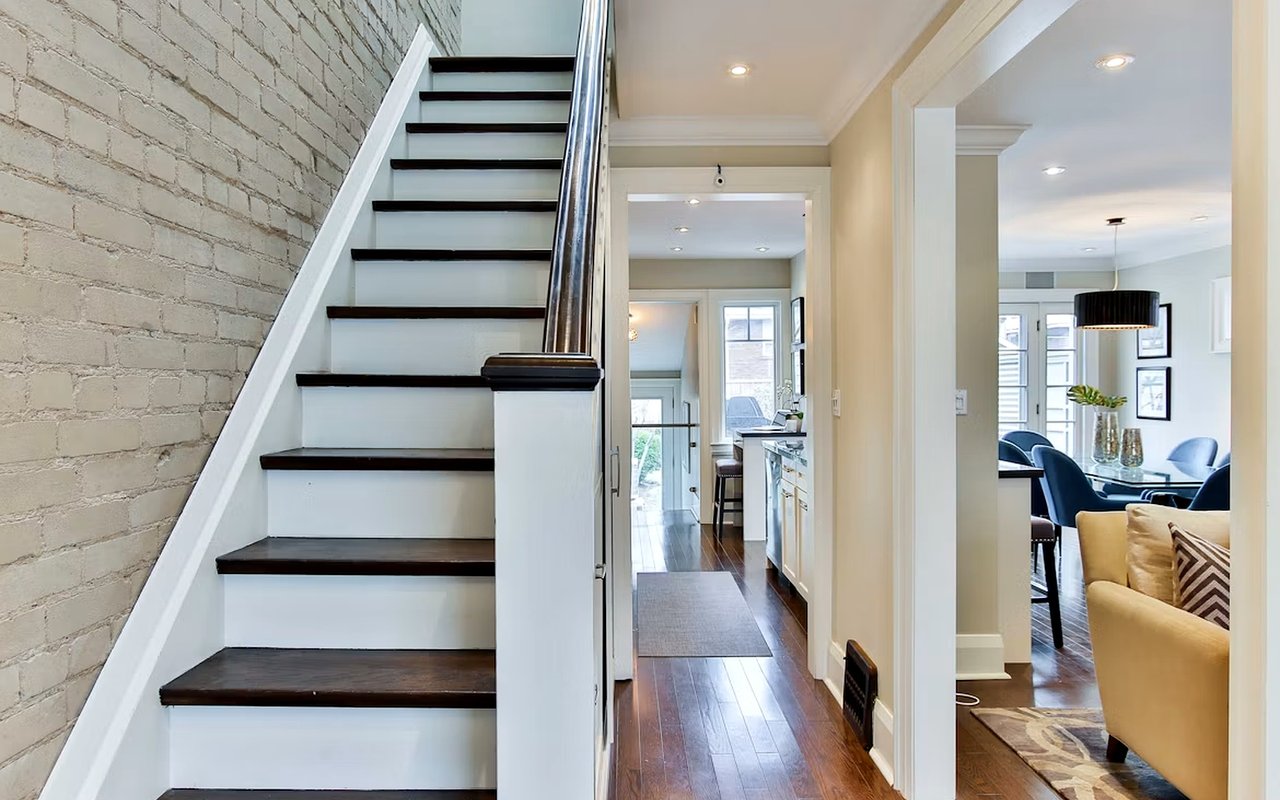
If you are drawn to older homes, the biggest appeal is usually character. Historic houses often include original floor plans, entry halls, parlors, main staircases, fireplaces, trim, historic floors, and older doors and windows that help define the home’s look and feel.
These details can create warmth and personality that newer homes may not replicate easily. In many cases, they also connect the house to the broader streetscape and architectural identity of North Knoxville.
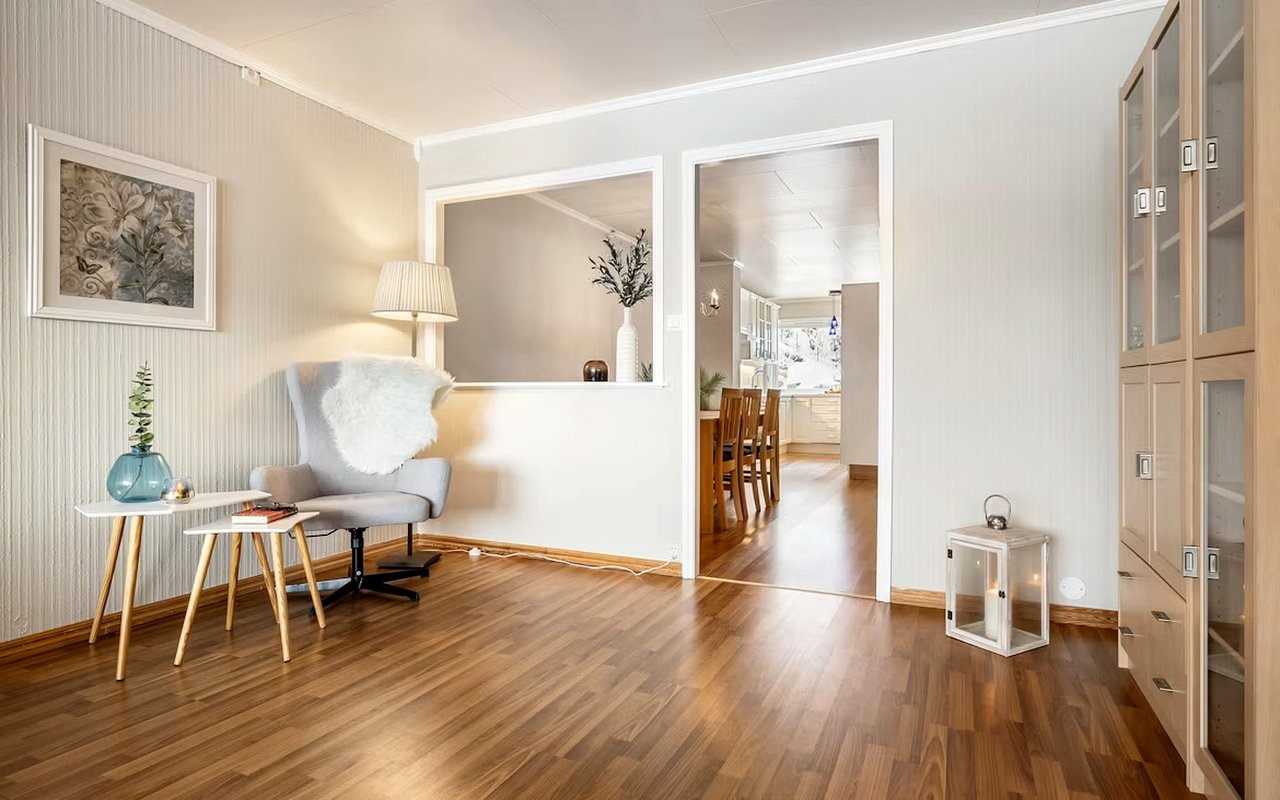
Still, older homes do not always live like newer ones. Over time, some historic homes have had walls removed, rooms divided, or layouts changed, which can make floor plans feel more compartmentalized or less open than what many buyers expect today.
Older homes were often designed around room-by-room living. That means you may see formal entry spaces, separate parlors, narrower transitions, and less of the open-concept design common in newer construction.
For some buyers, that is part of the appeal. For others, it raises questions about whether the home can be updated to fit modern routines, especially if you want larger shared living spaces or a reworked kitchen.
One of the most important things to confirm is whether a home is simply old or whether it is located in a locally regulated historic overlay. In Knoxville, the H Historic Overlay is intended to preserve and protect historic structures and areas.
In designated H districts, a certificate of appropriiation is required for construction, alteration, addition, expansion, repair, rehabilitation, relocation, or demolition. That means renovation may be possible, but it is not unlimited.
The city also treats contributing and noncontributing properties differently. Noncontributing homes may be reviewed more flexibly, so it is important to verify the property’s status before assuming what changes you can make.
If you plan to update a kitchen, replace windows, build an addition, or change exterior features, historic review can affect your timeline and options. This does not mean you should avoid the property. It means you should go in with a clear understanding of the approval process.
A home’s charm and renovation upside can still be a great fit, especially if you appreciate the character of the neighborhood. You just want to know the rules early, not after closing.
Historic homes can be rewarding to own, but they usually require a closer look at maintenance and efficiency. Many older homes have less insulation than homes built today, which can affect comfort and energy use.
Air leaks around windows, doors, plumbing penetrations, and other openings can also reduce comfort and durability. A home energy assessment can help identify where air sealing or insulation upgrades may make the biggest difference.
Some improvements may be straightforward, such as weatherstripping or caulking. Other updates, including window work, may involve a bigger decision, especially if the home is in a historic overlay.
If a home was built before 1978, lead-based paint is a key issue to address. Buyers of most homes built before that year have the right to receive lead disclosure information before a contract or lease is signed.
If renovation work will disturb paint, lead-safe practices may be required. Projects like sanding, carpentry, plumbing, electrical work, and window replacement can all trigger the need for lead-safe certified contractors and proper work methods.
This is one reason older homes benefit from careful planning. A house with beautiful original details can still be a smart purchase, but you want to understand both the visible character and the behind-the-scenes responsibilities.
If your top priority is easier maintenance, newer construction or infill may be the better match. In North Knoxville, newer options are often infill or redevelopment rather than large subdivisions, especially in the historic core.
Fourth & Gill includes newer homes designed to fit the neighborhood, and city records describe infill houses approved by the Historic Zoning Commission, including a contemporary Victorian and a Craftsman-derived design. That means newer does not always mean out of place.
For many buyers, the appeal of a newer home is practical. You may get a more current layout, updated systems, and a cleaner starting point for energy performance.
Air sealing is a major part of building an energy-efficient new home. It works together with insulation, moisture control, and ventilation as part of a whole-house approach.
That does not remove the need for inspection or future upkeep. It does mean a newer home may require less immediate weatherization work than an older home with original or aging components.
If you want less of a project and more of a move-in-ready experience, this can be a meaningful advantage.
A newer home should not get a free pass just because it looks fresh. Knoxville inspects one- and two-family dwellings at multiple stages, including footings, foundations, underground trade rough-ins, insulation, rough framing, and final inspection before occupancy.
As a buyer, you should still ask for permit and inspection records. A clean finish does not replace a clear paper trail.
This is especially important if the property includes additions, major updates, or site-specific work that may not be obvious during a showing. Documentation helps you understand what was done and whether it followed the proper process.
The right choice usually comes down to how you want to live and what kind of ownership experience fits you best. Historic homes often offer more architectural character and renovation upside. Newer homes and infill usually offer more modern performance and a simpler maintenance profile.
For many buyers, the sweet spot is somewhere in the middle. An updated historic home or a thoughtfully designed infill property can balance character with convenience.
Here are a few practical ways to compare your options:
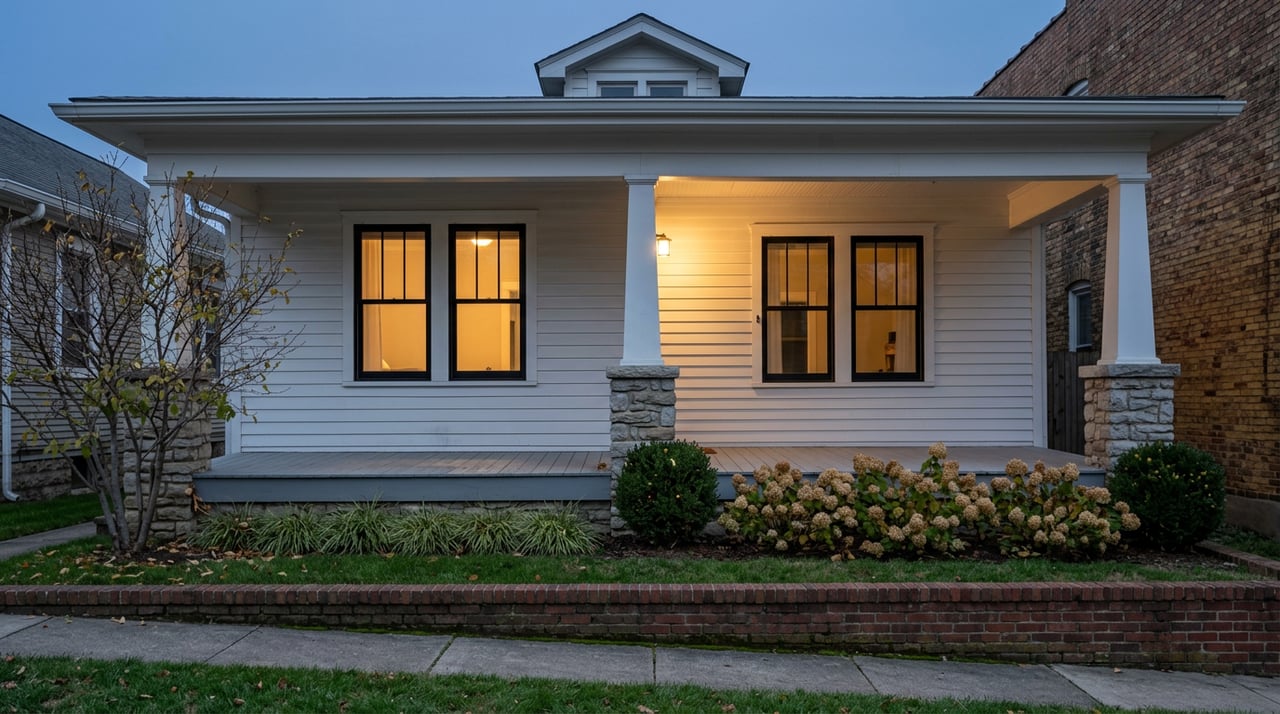
Whether you are looking at a bungalow in Old North Knoxville or a newer infill home near Fourth & Gill, the questions you ask can shape your decision.
Start with the basics:
These questions can help you move past surface-level appeal and focus on what ownership will really look like.
North Knoxville gives you a chance to choose between two very appealing paths. You can buy into historic character with all the beauty and planning that comes with it, or you can choose newer construction that may offer an easier day-to-day experience.
Neither option is automatically better. The best fit depends on your budget, your renovation comfort level, your timeline, and the kind of home you want to live in long term.
If you want help sorting through North Knoxville homes, historic overlays, renovation questions, or newer infill opportunities, the Jennifer Scates Group can help you compare your options with local insight and a clear plan.
Stay up to date on the latest real estate trends.
What It Actually Takes to Sell Successfully in Knoxville's Market.
A Practical Home Pricing Strategy for Knoxville Sellers.
A Knoxville Buyer's Guide to What Happens During a Home Inspection.

Where to Hit the Trail Without Leaving the City Behind.

Why the Number on Your Tax Bill Isn't the Whole Story.
Jennifer offers expert guidance to help you find your next home, ensuring a smooth and informed experience throughout the process.

ADDRESS
102 Adair Dr
Knoxville TN 37918